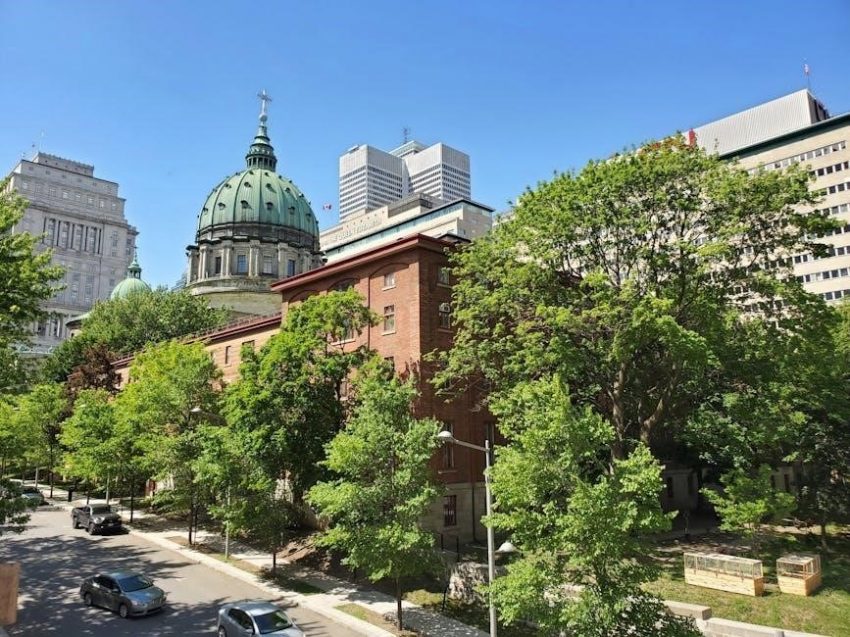
Montreal’s “Politique Verte” outlines a commitment to sustainable transportation, aiming to reduce greenhouse gas emissions and improve air quality across the city.
Context of Montreal’s Environmental Goals
Montreal has established ambitious environmental targets, including significant reductions in greenhouse gas (GES) emissions, detailed within its strategic climate action plan. This policy aligns with broader provincial and national commitments to combat climate change and foster sustainable development.
The city’s dedication extends to initiatives like extensive tree planting and addressing water leakage within the municipal water network, alongside promoting active transportation options for residents. These efforts demonstrate a holistic approach to environmental stewardship, setting the stage for the Green Rolling Stock Policy.
Overview of the “Politique Verte” Document
The “Politique Verte du matériel roulant” is a comprehensive document detailing Montreal’s strategy for transitioning to a more sustainable and environmentally friendly fleet of vehicles. It encompasses all rolling stock owned or operated by the city, establishing clear guidelines and objectives for emission reductions.
The document outlines a phased approach, incorporating technological advancements and sustainable procurement practices. It serves as a foundational framework for modernizing the fleet and achieving Montreal’s broader environmental goals, promoting a greener urban landscape.
Key Components of the Green Rolling Stock Policy
This policy centers on emission reduction targets, fleet modernization through electric vehicles, and prioritizing sustainable procurement for all rolling stock acquisitions.
Emission Reduction Targets
The “Politique Verte” establishes ambitious emission reduction targets for Montreal’s rolling stock. Specifically, the city aims for a significant decrease in greenhouse gas (GES) emissions from its transportation sector. This involves a phased approach, with interim goals set for 2025 and 2030, ultimately striving for carbon neutrality by 2050. These targets are crucial for aligning with Montreal’s broader climate action plan and contributing to global efforts to combat climate change. The policy emphasizes a shift towards zero-emission vehicles and technologies to achieve these reductions.
Fleet Modernization Strategies
Montreal’s fleet modernization strategies, detailed in the “Politique Verte,” prioritize the gradual replacement of older, high-emission vehicles with newer, cleaner alternatives. This includes investing in electric buses, hybrid technologies, and exploring hydrogen fuel cell options. The plan also focuses on extending the lifespan of existing vehicles through retrofitting and upgrades where feasible. A key component is strategic procurement, favoring vehicles that meet stringent environmental standards and contribute to the city’s emission reduction goals.
Sustainable Procurement Practices
The “Politique Verte” emphasizes sustainable procurement, mandating that all new rolling stock acquisitions prioritize environmental performance. This involves a comprehensive lifecycle cost analysis, considering not just the initial purchase price, but also long-term operating costs and environmental impact. Preference is given to suppliers demonstrating a commitment to sustainable manufacturing processes and offering vehicles with lower emissions, reduced noise pollution, and improved energy efficiency;
Vehicle Types Covered by the Policy
The policy encompasses all city-owned rolling stock, including buses, specialized vehicles like garbage trucks, and rail transport – light rail and metro systems.
Buses: Transition to Electric and Hybrid
The “Politique Verte” prioritizes a complete transition of Montreal’s bus fleet to electric and hybrid models. This ambitious goal aims to significantly reduce emissions from public transit. The plan details a phased approach, beginning with pilot projects and gradually scaling up to full fleet replacement.
Investment in charging infrastructure is crucial, alongside careful consideration of battery technology and operational range. The city intends to leverage advancements in these areas to maximize the effectiveness of the transition, ensuring a reliable and sustainable bus service for residents.
Specialized Vehicles: Focus on Lower Emissions
Beyond buses, Montreal’s “Politique Verte” extends to specialized vehicles like garbage trucks, street sweepers, and other municipal fleets. The strategy emphasizes a shift towards lower-emission alternatives, including hybrid, electric, and potentially renewable fuel options.
This involves rigorous evaluation of available technologies and procurement practices that prioritize environmental performance. The city will explore innovative solutions to minimize the carbon footprint of these essential services, contributing to overall air quality improvements and a more sustainable urban environment for all citizens.
Light Rail and Metro: Energy Efficiency Improvements
The “Politique Verte” addresses Montreal’s light rail and metro systems, focusing on enhancing energy efficiency. This includes modernizing signaling systems to optimize train movements and reduce energy consumption.
Investments in regenerative braking technologies will recapture energy during deceleration, feeding it back into the grid. Furthermore, the policy promotes exploring opportunities for utilizing renewable energy sources to power these vital public transit networks, aligning with Montreal’s broader climate action goals and sustainable mobility vision.
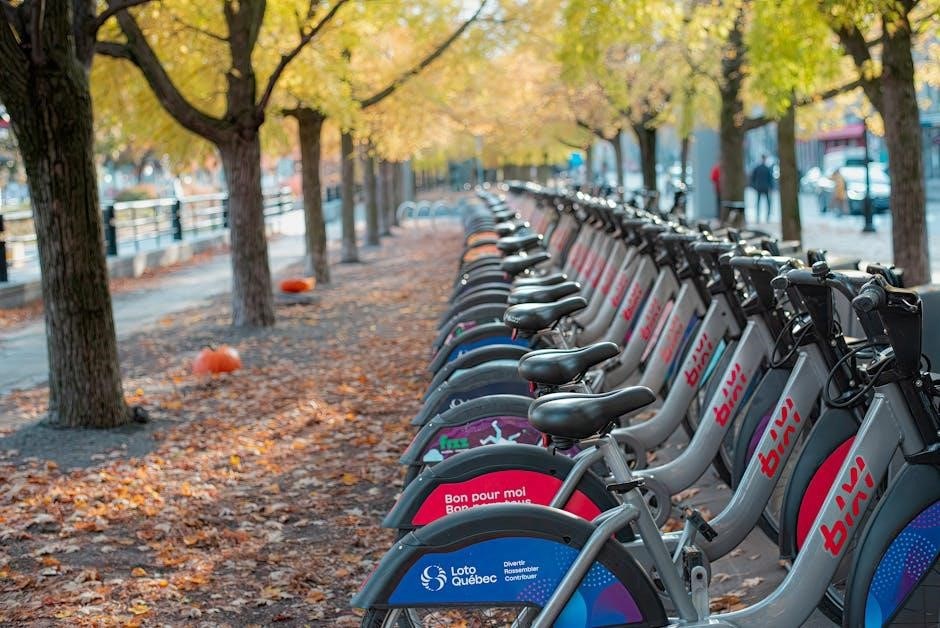
Implementation Timeline and Phases
The “Politique Verte” implementation unfolds in three phases: assessment (2023-2025), initial conversions (2026-2030), and full implementation with ongoing monitoring (2031+).
Phase 1: Assessment and Planning (2023-2025)
This initial phase, spanning 2023 to 2025, focuses on a comprehensive evaluation of the current rolling stock fleet. Detailed assessments will determine baseline emissions levels and identify opportunities for modernization. Crucially, this stage involves meticulous planning for the necessary infrastructure upgrades, including electric vehicle charging stations.
Furthermore, the city will analyze the financial implications and explore potential funding sources, such as government grants and public-private partnerships. This groundwork is essential for a successful transition towards a greener fleet, aligning with Montreal’s broader climate action goals.
Phase 2: Initial Fleet Conversions (2026-2030)
From 2026 to 2030, Montreal will begin actively converting portions of its rolling stock to greener alternatives. This phase prioritizes the introduction of electric and hybrid buses, alongside upgrades to specialized vehicles for reduced emissions. Simultaneously, investments in charging infrastructure will accelerate, supporting the growing electric fleet.
Data collection and monitoring systems will be implemented to track progress against emission reduction targets. This period represents a tangible shift towards sustainable transportation, demonstrating the city’s commitment to the “Politique Verte.”
Phase 3: Full Implementation and Monitoring (2031+)
Beyond 2031, Montreal’s “Politique Verte” enters full implementation, focusing on a completely modernized, low-emission rolling stock fleet. Continuous monitoring of Key Performance Indicators (KPIs) will assess policy effectiveness, guiding ongoing adjustments and improvements. This phase emphasizes integration with the city’s broader climate action plan, exploring expansion to other transportation modes. Long-term sustainability is paramount, ensuring Montreal remains a leader in eco-friendly urban mobility and achieves its ambitious environmental goals.

Technological Considerations
The policy necessitates evaluating electric vehicle charging, advanced battery technology, and potentially hydrogen fuel cells to support Montreal’s green rolling stock transition.
Electric Vehicle Charging Infrastructure
Developing a robust charging network is crucial for Montreal’s electric bus fleet. The “Politique Verte” requires strategic placement of charging stations throughout the city, considering depot locations and on-route opportunities. This includes assessing power grid capacity and upgrading infrastructure to handle increased demand. Furthermore, the policy emphasizes exploring innovative charging solutions like inductive charging and battery swapping technologies to maximize fleet efficiency and minimize downtime. Investment in smart charging systems will also be essential for optimizing energy usage and reducing costs, ensuring a sustainable and reliable charging ecosystem.
Battery Technology and Range
The “Politique Verte” acknowledges the importance of advancements in battery technology for successful electric bus implementation. It prioritizes buses with extended ranges to meet Montreal’s diverse route demands, minimizing the need for mid-route charging. The policy encourages exploring solid-state batteries and other next-generation technologies offering improved energy density and faster charging times. Continuous monitoring of battery performance and lifecycle costs is also vital, alongside responsible battery disposal and recycling programs to ensure environmental sustainability.
Hydrogen Fuel Cell Technology
The “Politique Verte” recognizes hydrogen fuel cell technology as a potential complementary solution, particularly for specialized vehicles or routes where battery-electric options are less feasible. Montreal will explore pilot projects to assess the viability of hydrogen infrastructure and fuel cell buses, focusing on green hydrogen production methods. The policy emphasizes evaluating the total cost of ownership, including fuel costs and infrastructure investments, alongside environmental benefits and potential for scalability within the city’s transit system.
Financial Implications and Funding Sources
Implementing the “Politique Verte” requires significant investment, sourced through budget allocation, government grants, and exploring public-private partnership opportunities for funding.
Budget Allocation for Green Rolling Stock
The “Politique Verte” necessitates a phased budget allocation strategy. Initial funding prioritizes assessment and planning (2023-2025), followed by substantial investment during fleet conversions (2026-2030). Long-term financial commitments extend beyond 2031 for full implementation and continuous monitoring.
Specific budgetary provisions cover vehicle procurement, charging infrastructure development, and workforce training. Transparent reporting on expenditure ensures accountability and maximizes the impact of allocated resources towards achieving emission reduction targets outlined within the policy document.
Government Grants and Subsidies
Securing external funding is crucial for the “Politique Verte’s” success; Montreal actively pursues provincial and federal grants earmarked for green transportation initiatives. These subsidies offset the significant costs associated with transitioning to electric and hybrid fleets.
The city also explores opportunities for collaborative funding programs with other municipalities. Successful grant applications will accelerate fleet modernization, expand charging infrastructure, and support research into innovative, sustainable technologies, bolstering the policy’s long-term viability.
Public-Private Partnerships
To realize the ambitious goals of the “Politique Verte”, Montreal strategically leverages public-private partnerships (PPPs). These collaborations combine municipal resources with the expertise and financial capacity of the private sector.
PPPs are particularly valuable for developing and operating electric vehicle charging infrastructure, and for procuring innovative rolling stock technologies. This approach distributes risk, accelerates project delivery, and ensures long-term sustainability, fostering a mutually beneficial relationship for all stakeholders involved.

Monitoring and Evaluation of Policy Effectiveness
Regular assessments using Key Performance Indicators (KPIs) will track progress, ensuring the “Politique Verte” achieves its emission reduction and sustainability objectives effectively.
Key Performance Indicators (KPIs)
The “Politique Verte” relies on several crucial KPIs to gauge success. These include measurable reductions in greenhouse gas (GES) emissions from the rolling stock fleet, alongside tracking the percentage of electric and hybrid vehicles integrated into service. Monitoring air quality improvements in key urban zones is also vital.
Furthermore, KPIs will assess the efficiency of the implemented charging infrastructure and the overall energy consumption of the modernized fleet. Regular data collection and transparent reporting will ensure accountability and allow for adaptive policy adjustments based on performance results.
Data Collection and Reporting Mechanisms
Robust data collection is central to evaluating the “Politique Verte.” The city will employ automated systems to monitor fuel consumption, electricity usage, and emissions levels across the entire rolling stock fleet. Regular inspections and maintenance records will contribute to performance tracking.
Reporting will occur annually, with publicly accessible dashboards displaying KPI progress. These reports will detail challenges encountered and adjustments made to optimize policy effectiveness, ensuring transparency and accountability to Montreal residents and stakeholders.
Regular Policy Reviews and Adjustments
The “Politique Verte” isn’t static; it requires periodic review to maintain relevance and effectiveness. Comprehensive evaluations will occur every five years, assessing progress against established KPIs and incorporating emerging technologies.
These reviews will consider feedback from public consultations, industry experts, and internal stakeholders. Adjustments will be made to emission targets, fleet modernization strategies, and procurement practices, ensuring the policy remains aligned with Montreal’s evolving environmental goals and technological advancements.
Community Engagement and Public Awareness
Montreal actively seeks public input on the “Politique Verte” through consultations and educational campaigns promoting sustainable transportation options for all residents.
Public Consultations on the Policy
The City of Montreal prioritized public engagement during the development of the “Politique Verte du matériel roulant.” Extensive consultations were held to gather feedback from residents, transportation advocacy groups, and industry stakeholders. These sessions aimed to ensure the policy reflected community needs and concerns regarding sustainable transportation.
Feedback mechanisms included online surveys, public forums, and targeted workshops. The city actively sought diverse perspectives to refine the policy’s objectives and implementation strategies, fostering a collaborative approach to achieving Montreal’s environmental goals.
Educational Campaigns on Sustainable Transportation
Complementing the “Politique Verte,” Montreal launched comprehensive educational campaigns to promote sustainable transportation choices among residents. These initiatives highlight the benefits of electric buses, light rail, and active transportation options like cycling and walking.
Campaigns utilize various platforms, including public service announcements, social media engagement, and community events, to raise awareness. The goal is to encourage a shift towards greener modes of transport, supporting the policy’s emission reduction targets and fostering a more sustainable urban environment.
Transparency and Accessibility of Information
A core principle of Montreal’s “Politique Verte” is ensuring transparency and open access to information regarding the green rolling stock transition. The complete policy document, including progress reports and data on key performance indicators, is readily available on the city’s official website.
This commitment fosters public trust and allows citizens to monitor the policy’s implementation and effectiveness. Regular updates and clear communication channels are maintained to address public inquiries and encourage ongoing dialogue about sustainable mobility initiatives.
Challenges and Potential Obstacles
Implementing the “Politique Verte” faces hurdles like infrastructure limitations, substantial costs, and integrating rapidly evolving technologies into Montreal’s existing transit systems.
Infrastructure Limitations
A significant challenge lies in Montreal’s existing infrastructure’s capacity to support a fully green rolling stock fleet. The “Politique Verte” requires substantial investment in electric vehicle charging infrastructure, particularly for buses, and potential upgrades to power grids. Limited depot space for maintenance and charging also presents a constraint. Adapting existing rail lines and maintenance facilities for new technologies, like hydrogen fuel cell vehicles, demands careful planning and considerable financial resources. Furthermore, the cold climate necessitates solutions for battery performance and charging efficiency in winter conditions.
Cost Considerations
The transition to green rolling stock involves substantial upfront costs, as outlined in Montreal’s “Politique Verte.” Electric buses and specialized low-emission vehicles have higher purchase prices than conventional counterparts. Infrastructure development, including charging stations and grid upgrades, adds significantly to the financial burden. Lifecycle cost analysis, factoring in maintenance and energy consumption, is crucial. Securing sufficient funding through government grants, subsidies, and public-private partnerships is essential to mitigate the financial impact on taxpayers and ensure project feasibility.
Technological Advancements and Integration
Montreal’s “Politique Verte” acknowledges rapid advancements in green technologies. Integrating electric, hybrid, and potentially hydrogen fuel cell vehicles requires careful planning. Ensuring compatibility with existing infrastructure and optimizing energy management systems are key challenges. Continuous monitoring of battery technology, charging infrastructure efficiency, and fuel cell performance is vital. Successful implementation depends on adapting to emerging innovations and fostering collaboration between the city, manufacturers, and research institutions.
Comparison with Other Cities’ Policies
Montreal’s policy benchmarks against international best practices, learning from other municipalities’ successes and adapting strategies to its unique urban context and needs.
Benchmarking Against International Best Practices
Montreal’s “Politique Verte” for rolling stock actively examines successful initiatives in cities globally, such as those in Europe and North America. This comparative analysis focuses on emission reduction strategies, fleet modernization approaches, and sustainable procurement methods. Key areas of investigation include cities with established electric bus fleets, innovative charging infrastructure, and robust data collection systems for policy evaluation.
The goal is to identify adaptable solutions and avoid common pitfalls, ensuring Montreal’s policy is both ambitious and realistically achievable within its specific operational and financial constraints.
Lessons Learned from Other Municipalities
Analyzing experiences from cities like Oslo, Copenhagen, and Vancouver reveals crucial insights for Montreal’s “Politique Verte.” Successful implementation hinges on early investment in charging infrastructure, proactive engagement with labor unions, and phased fleet transitions. Challenges encountered elsewhere – such as battery performance in cold climates and securing consistent funding – inform Montreal’s planning.
Furthermore, transparent data reporting and public-private partnerships, proven effective in other contexts, are considered vital for achieving long-term sustainability goals.
Adapting Strategies to Montreal’s Specific Context
Montreal’s unique climate, characterized by harsh winters, necessitates robust battery technology and cold-weather charging solutions for electric buses. The city’s dense urban core demands careful planning for charging infrastructure placement, prioritizing accessibility and minimizing disruption. Existing public transit networks, including the metro and light rail, require tailored energy efficiency upgrades.
Moreover, the “Politique Verte” must account for Montreal’s distinct regulatory landscape and engage diverse community stakeholders to ensure equitable implementation.
Impact on Air Quality and Public Health
The policy aims to significantly reduce greenhouse gas emissions, leading to improved air quality in urban areas and substantial health benefits for Montreal residents.
Reduction of Greenhouse Gas Emissions
Montreal’s Green Rolling Stock Policy directly addresses the city’s climate action goals by prioritizing a shift towards zero-emission vehicles. This transition, encompassing buses, specialized vehicles, and rail systems, is projected to substantially lower greenhouse gas (GHG) emissions. The “Politique Verte” document details specific emission reduction targets, contributing to Montreal’s broader commitment to combatting climate change and achieving carbon neutrality. Modernizing the fleet and adopting sustainable procurement practices are key strategies in achieving these ambitious goals, fostering a healthier environment for all citizens.
Improved Air Quality in Urban Areas
The implementation of Montreal’s Green Rolling Stock Policy promises significant improvements in urban air quality. By phasing out older, polluting vehicles and embracing electric and hybrid alternatives, the city aims to reduce harmful pollutants released into the atmosphere. This shift directly benefits public health, particularly for vulnerable populations residing near major transportation corridors. The “Politique Verte” prioritizes cleaner transportation options, contributing to a more breathable and healthier urban environment for all Montreal residents, aligning with broader sustainability objectives.
Health Benefits for Residents
Montreal’s Green Rolling Stock Policy directly translates to tangible health benefits for its residents. Reduced emissions from modernized fleets lessen respiratory illnesses like asthma and cardiovascular diseases. Cleaner air improves overall well-being, especially for children and seniors. The “Politique Verte” prioritizes public health by minimizing exposure to harmful pollutants. This proactive approach fosters a healthier urban lifestyle, decreasing healthcare burdens and enhancing the quality of life for all Montrealers through sustainable transportation initiatives.

Future Outlook and Policy Evolution
The policy will integrate with Montreal’s broader climate action plan, potentially expanding to encompass all transportation modes for long-term sustainability.
Integration with Montreal’s Climate Action Plan
This Green Rolling Stock Policy isn’t isolated; it’s a crucial component of Montreal’s ambitious city-wide Climate Action Plan. The plan targets significant reductions in greenhouse gas emissions by 2030 and carbon neutrality by 2050.
The policy directly supports these goals by transitioning the city’s vehicle fleet to cleaner alternatives. Synergies exist with initiatives promoting active transport, tree planting, and water leak reduction, creating a holistic approach to environmental sustainability. Regular reviews will ensure alignment and adaptation as the Climate Action Plan evolves.
Potential for Expansion to Other Transportation Modes
While currently focused on buses, specialized vehicles, and rail, the Green Rolling Stock Policy holds potential for broader application. Future expansions could encompass municipal service vehicles – like those used by public works – and potentially even taxis and ride-sharing services operating within Montreal.
Exploring incentives for private fleet operators to adopt greener technologies is also a possibility. This phased approach ensures a comprehensive shift towards sustainable mobility, extending beyond publicly owned assets and fostering a city-wide commitment to environmental responsibility.
Long-Term Vision for Sustainable Mobility
Montreal envisions a future where public transportation is entirely powered by renewable energy sources, significantly reducing its carbon footprint. This includes a fully electric bus fleet, optimized energy consumption in the metro system, and continued investment in light rail expansion.
The ultimate goal is a multimodal transportation network prioritizing walking, cycling, and public transit, creating a healthier, more livable city for all residents. This vision aligns with Montreal’s broader climate action plan and commitment to a sustainable future.