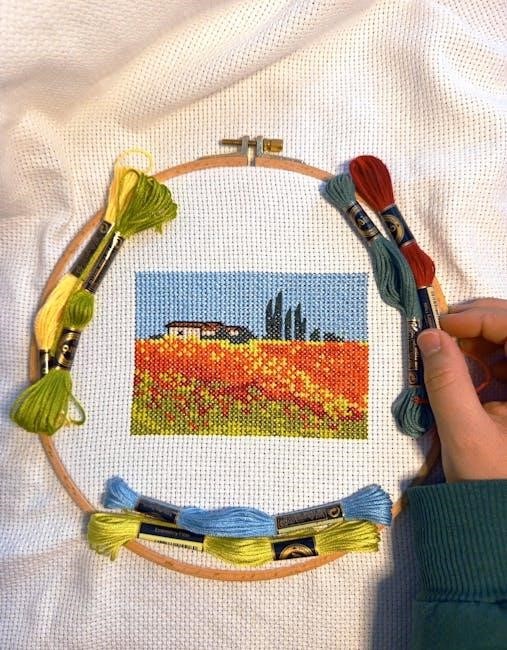
PDF cross stitch charts offer a digital, easily accessible method for enjoying this timeless craft, providing patterns for beautiful, intricate designs conveniently.
These downloadable files are revolutionizing how stitchers access and utilize patterns, offering a flexible and eco-friendly alternative to traditional paper charts.
What are PDF Cross Stitch Charts?
PDF cross stitch charts are digital files, typically in the Portable Document Format, containing the pattern for a cross stitch project.
These charts visually represent the design, using symbols or colors to indicate which color thread should be stitched in each square on the fabric.
Unlike traditional paper charts, PDF versions can be viewed on computers, tablets, and smartphones, offering incredible convenience. They consist of a grid, mirroring the Aida cloth or fabric you’ll stitch on, with each square representing one stitch.
The chart includes a legend, a key that decodes each symbol or color, linking it to a specific floss color from a brand like DMC or Anchor.
PDFs allow for easy zooming, making it simpler to see the details, especially for complex designs.
Why Use PDF Charts? ⎼ Convenience & Accessibility
PDF charts excel in convenience and accessibility. They eliminate the need for physical storage, saving space and reducing clutter. Instant downloads mean you can start stitching immediately after purchase or finding a free pattern.
Accessibility is greatly enhanced as charts can be viewed on various devices – computers, tablets, and smartphones – allowing you to stitch on the go. Zooming features are invaluable for intricate designs or those with visual impairments.
Furthermore, PDFs are easily printable, offering a physical copy if preferred. They are also environmentally friendly, reducing paper waste. The digital format facilitates easy sharing (within copyright limits) and backup, ensuring your patterns are always safe.
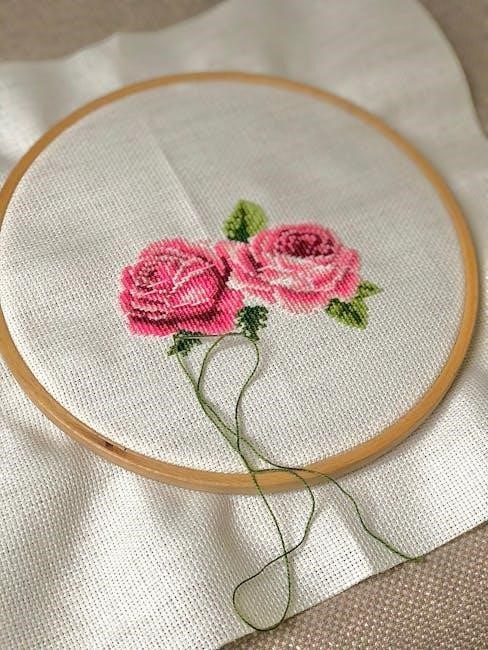
Finding Free PDF Cross Stitch Charts
Numerous online resources provide free PDF cross stitch charts, catering to all skill levels and tastes, offering a delightful starting point for enthusiasts.
Popular Websites Offering Free Patterns
Several websites specialize in offering a wide array of free PDF cross stitch charts. DMC, a renowned thread manufacturer, frequently provides complimentary patterns on their website, often designed specifically for their floss colors.
LoveCrafts is another excellent resource, boasting a dedicated section for free cross stitch patterns in PDF format, with designs ranging from beginner-friendly samplers to more complex pictorial charts.
The Spruce Crafts also curates lists of free patterns from various designers, providing a convenient hub for discovery. Don’t overlook Pinterest, as many designers share freebies directly through their boards, linking to downloadable PDFs. Finally, websites like FreePatterns.com offer a diverse collection, though quality can vary, so preview carefully before downloading.
Utilizing Pinterest for Chart Discovery
Pinterest is a visual goldmine for PDF cross stitch chart enthusiasts. Searching keywords like “free cross stitch patterns PDF” or specific themes (e.g., “floral cross stitch PDF”) yields countless results.
Many designers and bloggers share direct links to downloadable charts on their Pinterest boards, making it incredibly easy to access free content. Create dedicated boards to organize your discovered patterns by theme or skill level.
Pay attention to the source website linked in the pin description to ensure it’s a reputable site. Pinterest’s visual nature allows you to quickly preview designs before clicking through, saving time and effort. Remember to re-pin your favorites for easy access later!
Exploring Online Forums and Communities
Online forums and communities dedicated to cross stitch are fantastic resources for finding PDF cross stitch charts and connecting with fellow stitchers. Platforms like Reddit’s r/CrossStitch and dedicated cross stitch forums often have threads specifically for sharing free patterns.
Members frequently upload their own creations or link to charts they’ve discovered. Engage in discussions, ask questions, and share your progress – you’ll often receive recommendations for new patterns.
These communities are also great for troubleshooting issues with charts or getting advice on techniques. Be mindful of forum rules regarding sharing copyrighted material and always respect designers’ rights.
Understanding Cross Stitch Chart Symbols
PDF cross stitch charts utilize symbols representing floss colors; mastering these is crucial for accurate stitching. A clear legend is your key to decoding the pattern!
Decoding the Legend ‒ Colors & Symbols
The chart legend is the cornerstone of successful cross stitch, especially when working with PDF charts. It meticulously pairs each symbol on the chart with a specific floss color, usually indicated by a DMC number – a globally recognized standard.
Carefully examine the legend before beginning; variations exist, so understanding your specific chart is vital. Some legends use color blocks alongside symbols for quick visual identification, while others rely solely on symbols and DMC numbers.
Pay close attention to any notes regarding blending floss or using multiple strands, as these details significantly impact the final look. Ignoring the legend leads to errors, so double-check each stitch against the key throughout your project. A well-understood legend unlocks the beauty within the PDF chart!
Different Chart Styles ‒ Grid vs. Block
PDF cross stitch charts present patterns in two primary styles: grid and block. Grid charts utilize a traditional, pixelated grid where each square represents a single stitch, offering precise stitch placement. They’re ideal for complex designs and beginners needing clear guidance.
Block charts, conversely, group stitches into larger blocks of color, simplifying the visual appearance and reducing chart size. This style is favored by experienced stitchers who can intuitively fill in the blocks.
Choosing between the two depends on personal preference and project complexity. Grid charts offer more detail, while block charts provide a cleaner, less cluttered view. Understanding these differences ensures a smoother, more enjoyable stitching experience with your PDF chart.
Working with Black and White vs. Color Charts
PDF cross stitch charts come in both black and white and color variations, each presenting unique advantages. Color charts visually represent the final design with the actual thread colors, aiding in quick identification and a clearer picture of the finished piece.

Black and white charts utilize symbols to denote different colors, relying on a corresponding legend. While initially requiring more effort to decipher, they are economical with printer ink and can be easier on the eyes for extended stitching sessions.
Ultimately, the choice depends on individual preference. Color charts offer immediate visual appeal, while black and white charts promote focus on stitch placement and symbol recognition within your PDF pattern.
Software & Tools for PDF Charts
PDF cross stitch charts benefit from dedicated software; readers, organizers, and converters streamline the process, enhancing usability and customization for stitchers.
PDF Readers & Editing Software
Reliable PDF readers are fundamental for viewing your cross stitch charts. Adobe Acrobat Reader is a widely used, free option, offering essential functionalities like zoom and print. However, for more advanced features, consider paid versions or alternatives like Foxit Reader.
Editing software becomes valuable when minor chart adjustments are needed. While full-scale chart design requires specialized programs, tools like PDFescape or even some image editors allow for adding notes, highlighting sections, or making small symbol alterations.
Remember to save a copy of the original chart before making any edits! Some readers also offer measurement tools, helpful for verifying chart dimensions and scaling during printing. Choosing the right software ensures a smooth and enjoyable stitching experience.
Cross Stitch Pattern Organizers
Digital pattern organizers are lifesavers for avid cross stitchers accumulating numerous PDF charts. Dedicated software like Stitchboard or Pattern Keeper allows you to import, categorize, and access your patterns on tablets or computers, eliminating paper clutter.
These organizers often include features like marking progress, highlighting stitched areas, and creating custom lists. Alternatively, a well-structured folder system on your computer, coupled with descriptive file names, can serve as a basic organizer.
Cloud storage services like Google Drive or Dropbox provide backup and accessibility across devices. Maintaining a clear organizational system saves time and frustration, ensuring you can quickly find the perfect pattern for your next project!
Chart Conversion Tools (Image to PDF)
Occasionally, you might encounter cross stitch patterns only available as images (JPG, PNG). Several tools can convert these images into editable PDF charts. Software like PCStitch and Cross Stitch Professional offer image import and automatic chart generation features.
Online converters, while convenient, may have limitations in accuracy or require subscriptions. Be prepared to manually adjust the generated chart, correcting any errors in symbol placement or color assignment.
For best results, start with high-resolution images. Remember that automatic conversion isn’t always perfect; careful review and editing are crucial to ensure an accurate and stitchable PDF chart.
Printing PDF Cross Stitch Charts
Successfully printing your PDF cross stitch chart requires careful attention to detail, ensuring clarity and accuracy for a smooth stitching experience.
Proper paper and print settings are vital for legible symbols and a satisfying finished project.
Paper Selection ⎼ Best Options for Clarity
Choosing the right paper is crucial when printing PDF cross stitch charts for optimal visibility and a pleasant stitching experience. Standard printer paper often allows symbols to bleed or become faint, making them difficult to discern.
For best results, opt for a heavier weight paper, around 20-24lb, which provides better opacity and reduces show-through. Matte photo paper or presentation paper are excellent choices, offering sharp contrast and vibrant symbol definition. Avoid glossy paper, as the sheen can create glare and hinder readability.
Consider the color of the paper as well. Bright white paper can be harsh on the eyes during long stitching sessions, while a slightly off-white or cream-colored paper offers a softer, more comfortable viewing experience. Experiment with different paper types to find what works best for your eyesight and preferences.
Scaling & Print Settings ⎼ Ensuring Accuracy
Maintaining accuracy is paramount when printing PDF cross stitch charts. Incorrect scaling can drastically alter the finished design, leading to frustration and wasted materials. Always disable the “Fit to Page” option in your printer settings.
Instead, select “Actual Size” or “100%” scaling to ensure the chart prints at its intended dimensions. Before starting your project, verify the printed chart against a gridded ruler to confirm each square represents one stitch.
High-resolution printing is also essential for clear symbols. Choose the highest DPI (dots per inch) setting available on your printer. A test print of a small section of the chart is recommended to check for clarity and accuracy before printing the entire pattern.
Troubleshooting Printing Issues
Printing PDF cross stitch charts can sometimes present challenges. If symbols appear blurry, ensure your printer is set to a high-quality print mode and utilizes sufficient ink. Check for driver updates for optimal performance.
Cut-off symbols often indicate incorrect margins. Adjust your printer’s margin settings to “None” or the smallest possible value. If colors are inaccurate, verify your printer’s color calibration.
For charts printing too dark or light, experiment with your printer’s tone or brightness settings. If issues persist, try printing from a different PDF reader or converting the PDF to a raster image before printing. A test print is always recommended before committing to the full chart!

Advanced Techniques & Chart Customization
PDF charts empower stitchers to personalize projects! Modify colors, adapt designs, or even create unique patterns from images using specialized software tools.
Modifying Existing Charts
PDF editing software unlocks a world of customization for cross stitch enthusiasts. You can easily alter color palettes within a chart to match your desired aesthetic or available thread stash.
Changing thread colors is often a simple find-and-replace operation within the PDF, though complexity varies with chart design. Beyond color, experienced stitchers might adjust the chart’s size, adding or removing elements to fit a specific frame or canvas.
However, be mindful of maintaining the chart’s integrity; altering stitch counts drastically can distort the final image. Always save a copy of the original chart before making any modifications, ensuring you have a backup. Experimentation is key, but careful planning prevents frustrating results!
Creating Your Own Charts from Images
Transforming photos into cross stitch patterns is achievable with dedicated software or online converters. These tools analyze an image, reducing it to a limited color palette suitable for stitching. The process involves pixelation and simplification, translating shades into corresponding cross stitch symbols.
Beginners might start with simpler images, avoiding complex gradients or intricate details. Adjusting settings like stitch count and color accuracy is crucial for a satisfying result.
Many programs allow manual editing of the generated chart, refining areas where the automatic conversion falls short. Exporting the final design as a PDF creates a printable, easy-to-follow chart for your next stitching project – a truly personalized creation!
Using Software for Chart Design
Dedicated cross stitch design software empowers you to create fully customized patterns from scratch. Programs like PCStitch and Cross Stitch Professional offer extensive libraries of symbols, colors, and editing tools. You can precisely place each stitch, experiment with different thread types, and visualize the finished design before starting.
These tools often include features like automatic backstitching, pattern previewing, and the ability to calculate fabric and thread requirements.
Exporting your finished design as a PDF ensures a clear, printable chart with a comprehensive legend. Mastering this software unlocks limitless creative possibilities, allowing you to bring your unique ideas to life in beautiful cross stitch!

Resources for Beginners
Starting cross stitch with PDF charts requires basic supplies like fabric, floss, needles, and a hoop, alongside learning fundamental stitches and fabric counts.
Essential Cross Stitch Supplies
Embarking on your cross stitch journey with PDF charts necessitates gathering a few key supplies to ensure a smooth and enjoyable experience. First, you’ll need Aida cloth, the foundation of your stitch, available in various counts (fabric holes per inch) – 14-count is ideal for beginners.
Next, embroidery floss, typically DMC or Anchor brands, in the colors specified by your chosen PDF chart is crucial. Don’t forget a tapestry needle with a blunt tip to avoid splitting the fabric threads. A cross stitch hoop helps maintain tension while you work, and small scissors are essential for trimming floss.
Consider a needle threader for ease, and a fabric marker (water soluble) for marking the center of your Aida cloth. Finally, having a good PDF reader on your device is vital for viewing and utilizing your downloaded charts effectively!
Basic Stitches & Techniques
Mastering a few fundamental stitches is key to successfully interpreting your PDF cross stitch charts. The full cross stitch (X) is the most common, formed by completing two diagonal stitches. The half stitch (/) is often used for shading or detail, and can be completed later as a full cross.
Backstitch creates outlines and details, worked as a simple straight stitch. When starting and ending threads, avoid knots; instead, weave the ends through the back of your work. Maintaining consistent tension is vital for a neat finish – not too tight, not too loose.
Always follow the color key on your PDF chart carefully, and work one color at a time to streamline the process. Practice these basic techniques, and you’ll be creating beautiful designs in no time!
Understanding Fabric Count & Thread Types
Fabric count, measured as stitches per inch, significantly impacts the final size and detail of your cross stitch project derived from PDF charts. Aida cloth is popular for beginners, with 14-count being a standard choice. Higher counts (16, 18, or even 22) yield smaller, more detailed stitches.
Thread types, primarily floss, come in various materials. DMC floss is a widely used, high-quality cotton. The number of strands used affects the coverage and texture; most charts specify the number of strands to use.
Matching fabric count and thread type to your chart’s recommendations is crucial for accurate results. Experimenting with different combinations allows for personalized finishes!
Copyright & Usage Rights
PDF cross stitch charts often have specific usage licenses; free charts may restrict commercial use, while paid charts grant broader permissions.
Always respect the designer’s terms to ensure ethical and legal crafting practices.
Free vs. Paid Charts ⎼ Licensing
PDF cross stitch charts come in two primary forms: free and paid, each governed by distinct licensing agreements. Free charts, readily available online, often come with limitations. Typically, these restrict usage to personal, non-commercial projects – meaning you can stitch for yourself or as gifts, but selling finished pieces is usually prohibited.
Paid charts, purchased from designers or retailers, generally offer more expansive rights. Licensing can vary, but often allows for making and selling a limited number of finished items. Always carefully review the specific terms of use provided with each chart. These terms outline permitted uses, restrictions on modifications, and any attribution requirements. Understanding these licenses protects both the stitcher and the designer, fostering a respectful crafting community.
Respecting Designer’s Terms of Use
PDF cross stitch chart designers invest significant time and creativity into their patterns. Respecting their terms of use is crucial for supporting the crafting community and ensuring continued pattern availability. This means adhering to restrictions on copying, sharing, or redistributing the chart files themselves.
Even with a license permitting sales of finished items, limitations often apply regarding mass production or using the design for commercial branding without explicit permission. Always provide appropriate credit to the designer when showcasing your finished work online. Ignoring these terms can lead to legal repercussions and undermines the livelihood of talented creators. Ethical stitching involves honoring the intellectual property of others.
Commercial Use Restrictions
PDF cross stitch charts often come with specific commercial use restrictions, even if the pattern is labeled as “free” or purchased with a broad license. Typically, selling the chart itself – the digital file – is strictly prohibited unless you are the original designer.
While selling finished pieces stitched from a chart is often permitted, limitations may apply regarding scale, branding, or alterations. Mass production, or using the design on items sold through large retailers, frequently requires a separate commercial license. Always carefully review the designer’s terms to avoid copyright infringement. Ignoring these restrictions can result in legal action and damage your reputation.