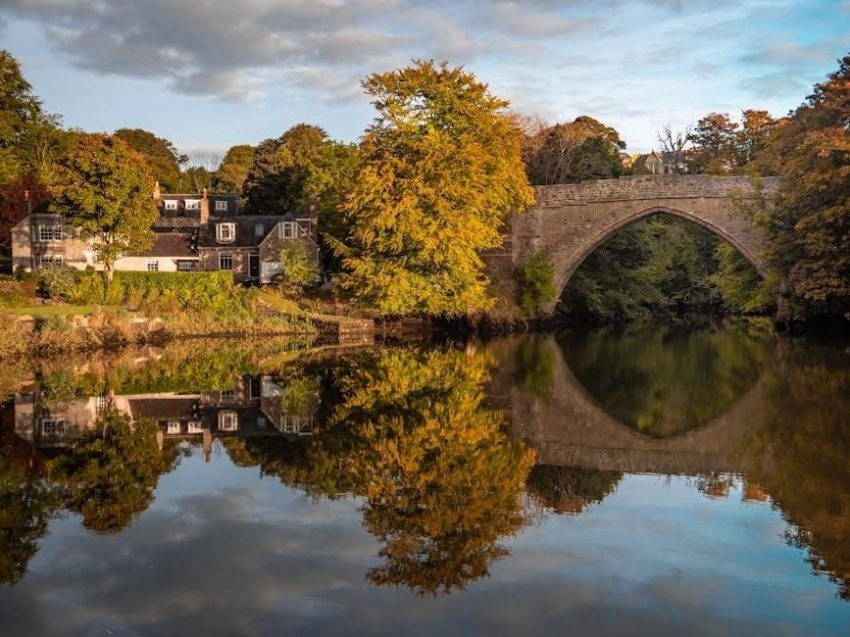
Planning Self-Guided Tours of England, Scotland & Ireland
Embark on unforgettable journeys! Explore captivating landscapes and rich histories at your own pace across England, Scotland, and Ireland, crafting personalized adventures.
Discover the allure of independent travel! Self-guided touring in England, Scotland, and Ireland offers a unique blend of freedom and discovery. Unlike traditional package tours, you dictate the itinerary, pace, and experiences. This approach empowers you to delve deeper into local cultures, uncover hidden gems, and tailor your journey to personal interests.
Imagine exploring the rolling hills of the Cotswolds, tracing the rugged coastline of the Wild Atlantic Way, or venturing into the mystical Scottish Highlands – all on your terms. Self-guided tours aren’t about being alone; they’re about authentic experiences and creating lasting memories through personalized exploration. Embrace the flexibility and spontaneity that define this rewarding travel style.
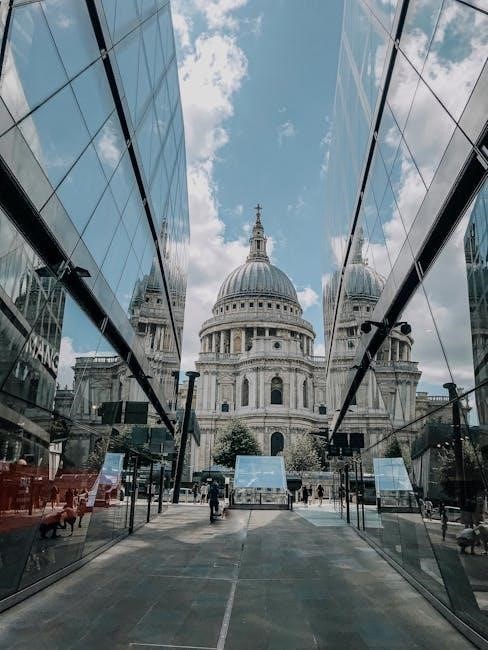
Benefits of Self-Guided Travel
Unlock a world of advantages! Self-guided travel across England, Scotland, and Ireland provides unparalleled flexibility. You control your schedule, choosing when and where to go, lingering longer in places you adore, and skipping those that don’t resonate. This freedom fosters spontaneous discoveries and authentic interactions with locals.
Furthermore, self-guided tours often prove more cost-effective than organized tours, allowing you to tailor expenses to your budget. You’ll experience a deeper cultural immersion, venturing beyond typical tourist trails. It’s a chance to truly connect with the landscapes, history, and people, creating a uniquely personal and enriching travel experience – a journey crafted entirely by you.
Essential Pre-Trip Planning
Meticulous preparation is key! Planning a self-guided tour of England, Scotland, and Ireland requires forethought. Begin by researching visa requirements and ensuring your passport is valid. Secure comprehensive travel insurance covering medical emergencies, cancellations, and lost belongings. Download offline maps and translation apps for seamless navigation and communication.
Inform your bank of your travel dates to avoid card blocks. Scan important documents (passport, insurance, itinerary) and store them securely online. Familiarize yourself with local emergency numbers and embassy locations. Finally, pack appropriately for varied weather conditions – layering is essential! A well-prepared traveler enjoys a stress-free adventure.
Defining Your Interests & Theme
Personalize your adventure! Before diving into detailed planning, identify your passions. Are you a history buff eager to explore castles and battlefields? Perhaps a nature enthusiast seeking scenic hikes and wildlife encounters? Or maybe a foodie craving local culinary delights?
Consider a thematic approach – a literary tour following in the footsteps of famous authors, a whisky trail through Scotland, or a coastal exploration of Ireland’s Wild Atlantic Way. Defining your interests streamlines route selection, accommodation choices, and activity bookings. A focused theme enhances the overall experience, creating a truly memorable journey tailored to you.
Budgeting for a Self-Guided Trip
Plan your finances wisely! Self-guided tours offer cost control, but careful budgeting is crucial. Estimate expenses including transportation (car rental, train/bus fares), accommodation (hotels, B&Bs, cottages), food & drink, attraction entry fees, and activities.
Factor in potential incidentals – unexpected repairs, souvenirs, or spontaneous detours. Research average costs for each region; Scotland tends to be pricier than Ireland. Consider travel insurance and currency exchange rates. Utilizing free activities like hiking and exploring local markets can significantly reduce costs. A detailed spreadsheet will help track spending and ensure a financially comfortable adventure.
Transportation Options
Navigating the UK & Ireland is diverse! For maximum flexibility, car rental is popular, especially in rural areas like the Scottish Highlands or Cornwall. However, consider narrow roads and left-hand driving. Public transportation – trains and buses – offers a cost-effective and relaxing alternative, connecting major cities and towns efficiently.
Regional transportation passes, like BritRail or Irish Rail passes, can save money for extensive rail travel. Scotland’s bus network is comprehensive. Weigh the convenience of a car against the environmental impact and parking challenges. Combining options – train to a central hub, then local buses – can be ideal.
Car Rental – Pros & Cons
Renting a car grants ultimate freedom for exploring remote areas of England, Scotland, and Ireland, accessing hidden gems beyond public transport routes. Pros include flexibility in itinerary, luggage convenience, and reaching scenic spots like the Cotswolds or Isle of Skye easily. However, consider the cons carefully.
Driving on the left can be challenging for some, and rural roads are often narrow and winding. Parking in cities can be expensive and limited. Fuel costs and rental insurance add to the expense. Evaluate if the convenience outweighs these factors. Automatic transmissions are available, but manual are more common and cheaper.
Public Transportation (Trains & Buses)
England, Scotland, and Ireland boast extensive public transport networks, offering a cost-effective and relaxing alternative to driving. Trains connect major cities efficiently, providing scenic routes through the countryside. Buses reach smaller towns and villages, expanding accessibility. National Express and Megabus are popular bus operators.
However, relying solely on public transport can limit spontaneity and access to remote attractions. Journey times may be longer, and schedules require careful planning. Consider that some rural areas have infrequent services. Utilizing a combination of trains and buses can maximize reach while minimizing costs, especially with regional passes.
Regional Transportation Passes
For cost-effective travel, explore regional transportation passes. BritRail passes cater to England, Scotland, and Wales, offering varying durations and coverage. Scotland’s Explorer Pass provides unlimited travel on ScotRail trains. Ireland’s Leap Visitor Card grants access to Dublin’s public transport. These passes can significantly reduce expenses, particularly with frequent travel.
However, assess if a pass aligns with your itinerary. Calculate individual ticket costs versus the pass price to determine value. Consider reservation requirements for certain trains, even with a pass. Passes often exclude premium services. Thorough research ensures the pass complements your self-guided tour, maximizing savings and convenience.
Accommodation Choices
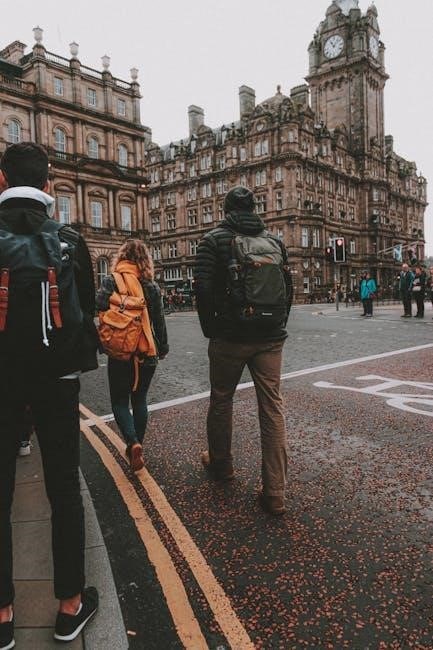
Selecting lodging is crucial for a comfortable self-guided tour. Hotels offer consistent standards and amenities, ideal for those prioritizing convenience. Bed & Breakfasts (B&Bs) provide a more personal experience, often including a hearty breakfast and local insights. Consider location relative to your planned routes and attractions.
For longer stays or groups, self-catering cottages and apartments offer flexibility and cost savings. These allow you to prepare meals, enhancing the local experience; Booking in advance is recommended, especially during peak season. Explore options ranging from rural retreats to city-center apartments, tailoring your choice to your preferences and budget.
Hotels vs. Bed & Breakfasts
Hotels generally provide standardized amenities – en-suite bathrooms, televisions, and often on-site restaurants – offering predictability and convenience. They are typically located in town centers, providing easy access to attractions. However, hotels can lack the personal touch of smaller establishments.
Bed & Breakfasts (B&Bs) offer a more intimate experience, often run by local families. Expect a home-cooked breakfast, personalized recommendations, and a chance to connect with your hosts. B&Bs are frequently found in quieter locations, offering a glimpse into local life. Consider your preference for service style and location when choosing between these options.
Self-Catering Cottages & Apartments
Self-catering accommodations – cottages and apartments – provide independence and flexibility, ideal for longer stays or travelers preferring to cook their own meals. These options often feature fully equipped kitchens, living areas, and laundry facilities, offering a ‘home away from home’ experience. They are particularly well-suited for families or groups.
Locations range from rural countryside retreats to city-center apartments. Booking platforms offer a wide selection, with varying levels of luxury and amenities. Consider the proximity to local shops and attractions when making your choice. Self-catering can be a cost-effective option, especially when factoring in meal expenses.
England: Popular Self-Guided Routes
England boasts diverse routes for independent exploration. The Cotswolds, with its honey-colored villages and rolling hills, offers charming walks and scenic drives. Cornwall captivates with its dramatic coastline, historic fishing towns like St Ives, and the South West Coast Path. Consider exploring Roman history in Bath and York, or venturing into the Lake District’s stunning landscapes.
For literary enthusiasts, follow in the footsteps of famous authors in the Peak District or explore Shakespeare’s Stratford-upon-Avon. These routes cater to various interests, from hiking and cycling to history and culture, providing unforgettable English experiences.
The Cotswolds – Scenic Villages & Walks
The Cotswolds area presents a quintessential English experience, ideal for self-guided exploration. Wander through picturesque villages like Bibury, Bourton-on-the-Water, and Stow-on-the-Wold, admiring the honey-colored stone architecture. Numerous walking trails crisscross the rolling hills, offering breathtaking views and peaceful countryside escapes.
Explore historic sites like Sudeley Castle and Blenheim Palace. Enjoy local pubs and tearooms, savoring traditional English fare. Consider a circular walk starting from a village, or follow sections of the Cotswold Way National Trail. This region is perfect for a relaxed and immersive self-guided adventure.
Cornwall – Coastal Paths & Historic Towns
Cornwall beckons with dramatic coastlines and a rich Celtic heritage, perfect for independent travelers. Hike sections of the South West Coast Path, experiencing stunning sea views and rugged cliffs. Discover charming fishing villages like St Ives and Polperro, brimming with artistic flair and maritime history.
Explore Tintagel Castle, steeped in Arthurian legend, and the Eden Project’s biomes. Delight in fresh seafood and Cornish pasties. Consider a coastal drive, stopping at secluded coves and sandy beaches. Cornwall offers a blend of natural beauty, historical intrigue, and culinary delights, ideal for a self-guided Cornish escape.
Scotland: Exploring the Highlands & Islands
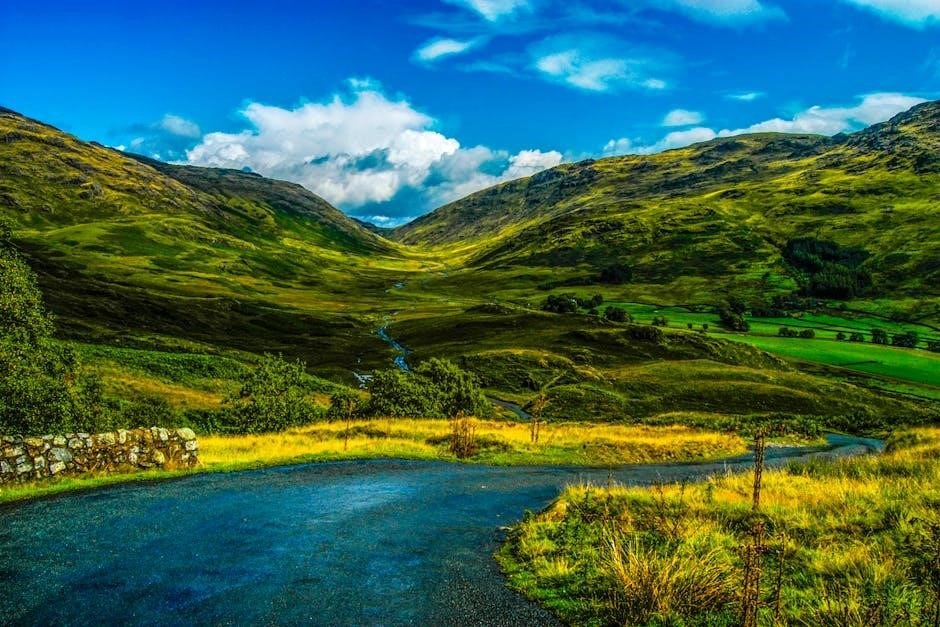
Scotland’s Highlands and Islands present a breathtaking panorama of mountains, lochs, and ancient castles, ideal for self-directed exploration. Journey through Glencoe’s dramatic valleys and experience the mystique of Loch Ness. Venture to the Isle of Skye, famed for its otherworldly landscapes and the iconic Fairy Pools.
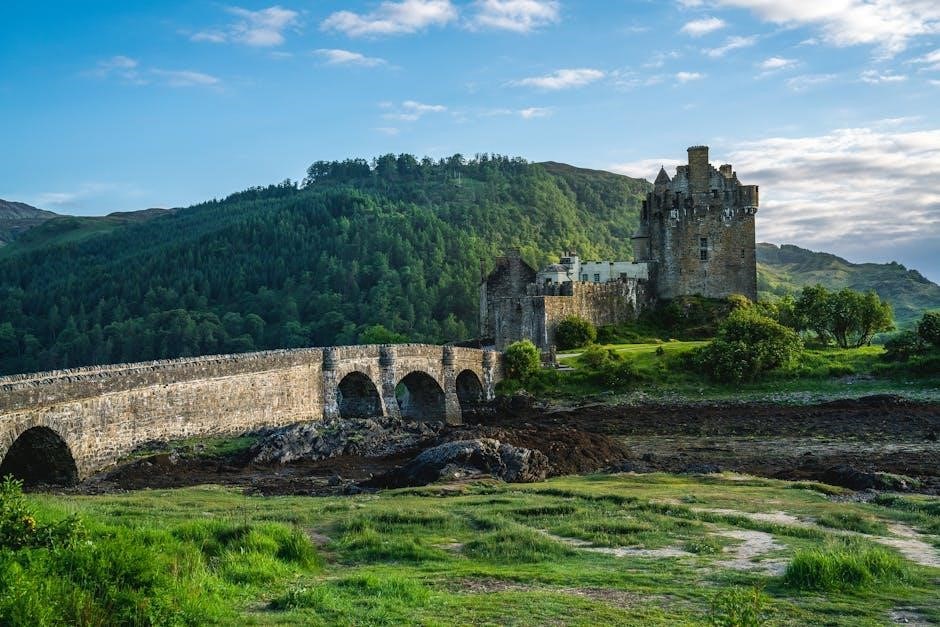
Discover historic sites like Eilean Donan Castle and Urquhart Castle. Embrace the rugged beauty of the North Coast 500 route, a circular road trip showcasing Scotland’s northern coastline. Indulge in whisky tasting and traditional Scottish hospitality. The Highlands and Islands offer an unforgettable adventure for independent travelers.
The North Coast 500 – A Road Trip Adventure
Embark on an epic road trip along Scotland’s North Coast 500 (NC500), a 516-mile loop around the Highlands. Discover stunning coastal scenery, remote beaches, and charming villages. Plan for approximately 7-10 days to fully appreciate the route, allowing time for detours and exploration.
Highlights include the dramatic cliffs of Cape Wrath, the picturesque fishing villages of Ullapool and Durness, and the majestic mountains of Assynt. Enjoy opportunities for hiking, wildlife spotting, and sampling local cuisine. Accommodation ranges from cozy B&Bs to luxurious hotels. The NC500 is a truly unforgettable self-drive adventure.
Isle of Skye – Dramatic Landscapes & Fairy Pools
Explore the magical Isle of Skye, renowned for its breathtaking landscapes and mystical atmosphere. Discover iconic formations like the Old Man of Storr, the Quiraing, and the Fairy Pools – crystal-clear waterfalls perfect for a (brave!) dip. Allow at least 3-5 days to experience Skye’s diverse beauty.
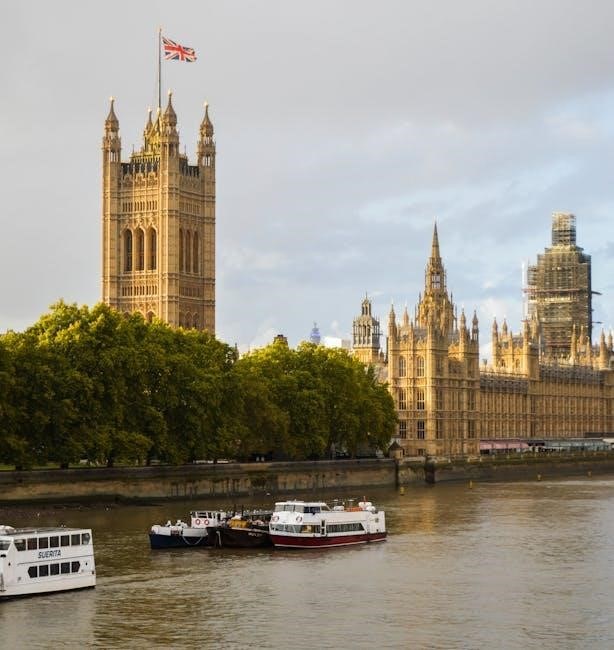
Hike through rugged mountains, wander along dramatic coastlines, and visit charming villages like Portree. Don’t miss Dunvegan Castle, the ancestral home of the Clan MacLeod. Accommodation options include cozy guesthouses, hotels, and self-catering cottages. Skye offers an unforgettable self-guided adventure for nature lovers and photographers.
Ireland: Discovering the Emerald Isle
Immerse yourself in Ireland’s captivating beauty, a land of ancient history, vibrant culture, and stunning scenery. Explore rolling green hills, dramatic coastlines, and welcoming towns. Consider a self-drive tour to maximize flexibility and discover hidden gems at your own pace. Ireland offers a unique blend of natural wonders and cultural experiences.
Journey along the Wild Atlantic Way or delve into the history of the Ancient East. Experience traditional music sessions in cozy pubs, sample delicious Irish cuisine, and connect with the friendly locals. Accommodation ranges from charming B&Bs to luxurious hotels, catering to every preference and budget.
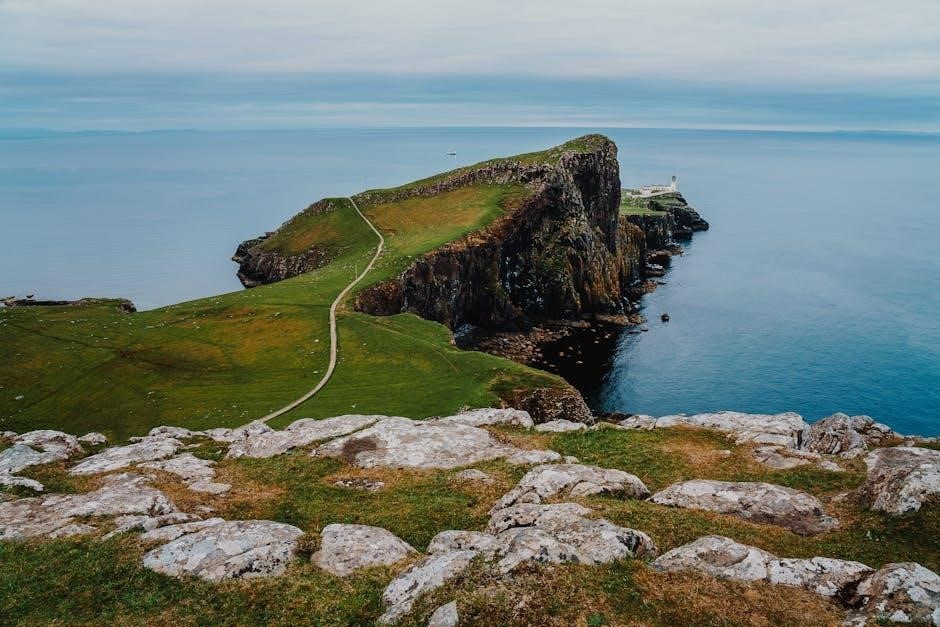
The Wild Atlantic Way – Coastal Route
Embark on an epic adventure along the Wild Atlantic Way, Ireland’s breathtaking coastal route stretching over 2,500 kilometers. Discover dramatic cliffs, rugged landscapes, and charming seaside towns. This self-drive itinerary offers unparalleled freedom to explore at your own rhythm, stopping at scenic viewpoints and hidden beaches.
Experience the raw beauty of County Donegal, the vibrant culture of Galway, and the stunning scenery of County Kerry. Indulge in fresh seafood, traditional music, and warm Irish hospitality. Plan for varied driving conditions and allow ample time to savor the journey, creating unforgettable memories along Ireland’s wild Atlantic coast.
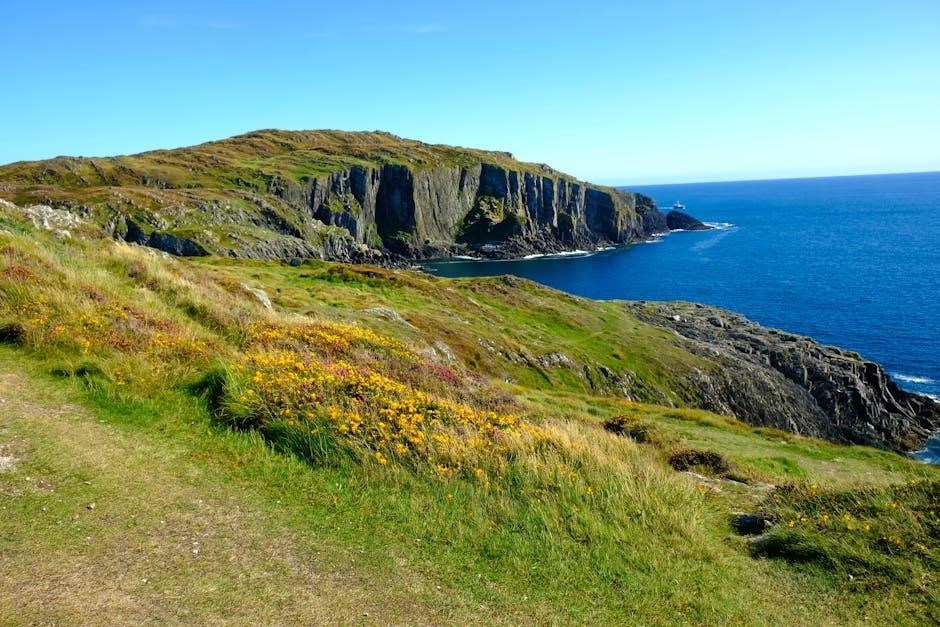
Ancient East – History & Heritage
Delve into Ireland’s rich past with a self-guided tour of the Ancient East, a region brimming with historical sites and cultural treasures. Explore medieval castles, monastic ruins, and ancient passage tombs, uncovering stories of Vikings, Celts, and early Christian settlers. This route offers a captivating journey through time, revealing Ireland’s layered heritage.
Discover the iconic Newgrange, a Neolithic passage tomb older than the pyramids, and wander through the historic city of Dublin. Visit the Rock of Cashel, a stunning medieval complex, and explore the atmospheric Kilkenny Castle. Immerse yourself in local traditions and experience the warmth of Irish hospitality while uncovering the secrets of the Ancient East.
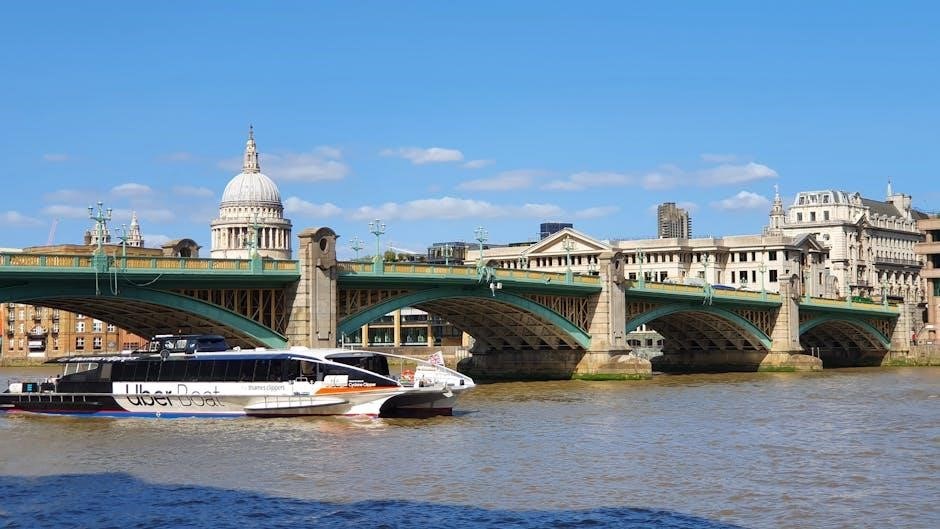
Utilizing GPS & Navigation Apps
Essential for self-guided tours, GPS and navigation apps transform exploration across England, Scotland, and Ireland. Download offline maps before your trip to avoid roaming charges and ensure access in remote areas. Popular choices include Google Maps, Maps.me, and dedicated hiking/cycling apps like Komoot.
Utilize features like turn-by-turn directions, points of interest, and route recording. Consider apps offering audio guides or augmented reality experiences for enhanced engagement. Always carry a portable power bank to keep your devices charged, especially during extended explorations. Combine digital tools with traditional maps for a comprehensive and reliable navigation strategy, ensuring a smooth and confident journey.
Booking Attractions & Activities in Advance
Securing tickets and reservations beforehand is crucial for a seamless self-guided tour of England, Scotland, and Ireland, particularly during peak season. Popular attractions like Edinburgh Castle, the Tower of London, and the Giant’s Causeway often sell out. Online booking platforms like Viator, GetYourGuide, and direct attraction websites offer convenience and potential discounts.
Pre-booking guarantees entry, saves valuable time queuing, and allows for better itinerary planning. Consider booking tours, whisky distillery visits, or traditional music sessions in advance. Check cancellation policies for flexibility. Don’t overlook smaller, local experiences – booking these supports communities and enhances authenticity.
Packing Essentials for a UK & Ireland Trip
Prepare for variable weather! Pack layers – a waterproof jacket, fleece, and comfortable walking shoes are essential. Don’t forget an umbrella, even in summer. Bring a universal adapter for electronics, as the UK and Ireland use different plugs. Include a portable charger for your phone and navigation apps.
Consider packing a reusable water bottle, a small backpack for day trips, and any necessary medications. Comfortable clothing suitable for both city exploration and countryside walks is key. Remember to pack a phrasebook or translation app, though English is widely spoken. Finally, bring a camera to capture the stunning scenery!
Staying Connected – SIM Cards & Wi-Fi
Maintaining connectivity is crucial for navigation and staying in touch. Consider purchasing a local SIM card upon arrival for affordable data and calls. Several providers offer prepaid options with varying data allowances. Alternatively, rely on Wi-Fi hotspots, readily available in hotels, cafes, and public spaces.
Be aware that Wi-Fi quality can vary, especially in rural areas. Download offline maps and translation apps before your trip to mitigate connectivity issues. Check with your mobile provider regarding international roaming charges to avoid unexpected bills. Utilize free Wi-Fi strategically for larger downloads and communication.
Understanding Local Customs & Etiquette
Respectful travel enhances your experience and interactions. In England, queuing is a serious matter – always join the back of the line! Scots are known for their hospitality, but directness is appreciated. Irish culture values storytelling and a good sense of humor.
Tipping is customary in restaurants (10-15%) but not always expected in pubs. Be mindful of pub etiquette – it’s common to buy a round for your companions. Avoid discussing sensitive political topics, particularly in Northern Ireland. A simple “please” and “thank you” go a long way, demonstrating politeness and respect.
Food & Drink Experiences
Indulge in the diverse culinary landscapes! England offers traditional pub fare – fish and chips, Sunday roast – and afternoon tea. Scotland boasts hearty dishes like haggis, neeps, and tatties, alongside world-class whisky. Ireland delights with Irish stew, fresh seafood, and of course, Guinness.
Explore local markets for regional cheeses, breads, and produce. Sample craft beers and ciders alongside traditional ales. Don’t miss opportunities for distillery tours and whisky tastings. Enjoy a full Scottish breakfast to fuel your adventures. Remember to try a proper Irish breakfast too – it’s a feast!
Safety & Emergency Information
Prioritize safety during your self-guided tour. Familiarize yourself with local emergency numbers: 999 in the UK (police, fire, ambulance) and 112 across Europe. Share your itinerary with someone at home. Be aware of your surroundings, especially in crowded areas.
Carry a copy of your passport and insurance details. Register with your embassy or consulate. Understand local laws and customs. Check weather forecasts before heading out, particularly in the Highlands and on coastal routes. Know the location of the nearest medical facilities. In case of theft, report it to the police immediately.
Travel Insurance Considerations
Comprehensive travel insurance is crucial for self-guided tours. Ensure your policy covers medical expenses, including potential hospitalizations and repatriation. Verify coverage for lost or stolen belongings, including electronics and travel documents. Look for policies that include cancellation or curtailment coverage, protecting you against unforeseen circumstances.
Consider adding coverage for specific activities like hiking or water sports if planned. Check the policy’s excess or deductible amount. Read the fine print carefully to understand exclusions. Confirm coverage for pre-existing medical conditions. Compare quotes from multiple providers to find the best value and protection for your trip across England, Scotland, and Ireland.
Resources for Route Planning (Websites & Apps)
Numerous online resources simplify planning self-guided tours. Explore websites like Ordnance Survey (OS Maps) for detailed UK maps and walking routes. Utilize Komoot or AllTrails for hiking and cycling trails, offering user reviews and GPX downloads. Consider Rome2Rio for comparing transportation options between locations.
For inspiration, visit VisitBritain, VisitScotland, and Tourism Ireland’s official websites; Employ Google Maps for route visualization and distance calculations. Download offline maps using apps like Maps.me for navigation without data. Research local tourism boards’ websites for regional itineraries and hidden gems throughout England, Scotland, and Ireland.
Dealing with Unexpected Issues
Self-guided travel requires adaptability. Be prepared for potential disruptions like weather changes, transportation delays, or accommodation problems. Carry copies of important documents (passport, insurance) both physically and digitally. Download offline translation apps for communication assistance. Familiarize yourself with local emergency numbers.
If facing transport issues, explore alternative routes or consider local bus/train options. For accommodation problems, contact booking platforms or have a list of backup hotels. Stay updated on weather forecasts and adjust plans accordingly. Maintain a flexible mindset and embrace unexpected detours as part of the adventure across England, Scotland, and Ireland.
Responsible Tourism Practices
Embrace sustainable travel while exploring England, Scotland, and Ireland. Support local businesses – choose locally-owned accommodations, restaurants, and tour operators. Respect local cultures and traditions; learn basic phrases and be mindful of customs. Minimize your environmental impact by reducing waste, conserving water, and using public transport where possible.
Stick to marked paths when hiking to protect fragile ecosystems. Avoid single-use plastics and bring a reusable water bottle. Consider offsetting your carbon footprint from flights. Contribute positively to local communities through responsible souvenir purchases and respectful interactions, ensuring a lasting benefit for these beautiful destinations.
Sample Itineraries (7-10 Days)
England (7 Days): Cotswolds charm (2 days), Bath’s Roman history (1 day), Cornwall’s coast (3 days), finishing in vibrant Bristol (1 day). Scotland (10 Days): Edinburgh’s culture (2 days), Highlands exploration via Inverness (3 days), Isle of Skye’s landscapes (2 days), and a return through Loch Lomond & The Trossachs (3 days).
Ireland (7 Days): Dublin’s history (2 days), Galway & the Cliffs of Moher (2 days), the Dingle Peninsula’s beauty (2 days), and a final day exploring Kilkenny. Combined (10 Days): London (2), Edinburgh (2), Dublin (2), with shorter explorations of the Cotswolds, Scottish Highlands, and Irish coastline.
Costs Associated with Self-Guided Tours
Accommodation ranges from £50-£200+ per night, depending on choice (B&Bs, hotels, cottages). Transportation – car rental averages £30-£60 daily, while train/bus passes vary greatly. Activities & Entrance Fees can total £30-£70 per day, depending on attractions. Food & Drink budgets should be £40-£80 daily.
Overall, a budget of £80-£250+ per person, per day, is realistic. Ireland tends to be slightly more affordable than England or Scotland. Pre-booking accommodations and transport can yield savings. Factor in travel insurance (£50-£100) and potential unexpected expenses. Detailed budgeting is crucial for a financially comfortable trip.
Self-guided touring through England, Scotland, and Ireland offers unparalleled flexibility and immersion. You dictate the pace, explore hidden gems, and connect authentically with local cultures. Careful planning—defining interests, budgeting, and securing transport/accommodation—is key to a smooth experience.
Embrace spontaneity! While pre-booking is wise, leave room for unexpected discoveries. Utilize navigation apps, respect local customs, and prioritize responsible tourism. The UK and Ireland reward independent exploration with breathtaking scenery, historical richness, and warm hospitality. Ultimately, self-guidance unlocks a truly personalized and unforgettable adventure.