
Starting a food truck business in Illinois offers exciting opportunities but requires navigating complex permits and licenses; This guide provides a comprehensive overview of the necessary requirements to operate successfully in the state.
Overview of the Food Truck Industry in Illinois
The food truck industry in Illinois is thriving, with a projected 6.4% annual growth through 2030. Chicago, Springfield, and Naperville are key hubs, attracting diverse culinary entrepreneurs. Food trucks offer flexibility and affordability, making them popular at festivals, events, and busy urban areas. Illinois’ vibrant culture and love for eclectic cuisine create a fertile ground for innovative menu ideas. Seasonal variations, such as summer festivals and winter holiday markets, further boost demand. Operators must adapt to local tastes, ensuring menus resonate with Illinois residents. Strategic location planning and compliance with regulations are crucial for success in this dynamic market.
Importance of Understanding Food Truck Requirements
Understanding food truck requirements in Illinois is crucial for legal operation and business success. Navigating permits, licenses, and health regulations ensures compliance, avoiding fines and closures. Proper documentation like MFD and MFP permits guarantees smooth operations. Compliance with FDA Food Code and local health standards protects public health and business reputation. Additionally, meeting insurance and safety standards safeguards assets and employees. Local ordinances vary, so understanding specific city rules is essential. Staying informed on these requirements helps entrepreneurs avoid legal pitfalls and focus on growth. A well-prepared business plan ensures all regulatory bases are covered, allowing owners to thrive in Illinois’ competitive food truck market.

Licenses and Permits
Operating a food truck in Illinois requires obtaining essential licenses and permits, such as the Mobile Food Dispenser (MFD) and Mobile Food Preparer (MFP) permits, to ensure compliance with state regulations.
Mobile Food Dispenser (MFD) Permit
The Mobile Food Dispenser (MFD) permit is a critical license for food trucks in Illinois that sell pre-packaged or non-potentially hazardous foods. This permit allows operators to dispense food from a mobile unit without extensive food preparation on-site. To obtain an MFD permit, applicants must meet specific health and safety standards, including proper food storage and handling practices. The permit is typically issued by local health departments and requires regular inspections to ensure compliance. Additionally, the MFD permit may have varying requirements across different counties, so it’s essential to check with the local health authority for specific guidelines. This permit is a foundational step in legally operating a food truck in Illinois.
Mobile Food Preparer (MFP) Permit
The Mobile Food Preparer (MFP) permit is required for food trucks in Illinois that prepare and serve potentially hazardous foods. This permit ensures that food is handled and cooked safely on-site. To obtain an MFP permit, food truck operators must meet stringent health and safety standards, including the use of commercial-grade equipment and proper ventilation systems. The application process typically involves submitting detailed kitchen plans, passing a health inspection, and completing a food safety certification course. The MFP permit is usually issued by local health departments and must be renewed annually. Operators must also comply with additional regulations, such as proper waste disposal and handwashing facilities. This permit is essential for food trucks that cook or prepare meals on-site, ensuring public health and safety.
City of Chicago Food Sanitation Manager Certificate
In Chicago, at least one staff member of a food truck must hold a Food Sanitation Manager Certificate. This certification is issued by the Chicago Department of Public Health and requires passing an exam that tests knowledge of food safety practices. The exam is based on the FDA Food Code, ensuring managers understand proper food handling, storage, and preparation techniques. Certification is valid for five years, after which a renewal exam is required. This requirement ensures that food truck operators maintain high standards of food safety, protecting public health. The certificate is a critical component of compliance for food trucks operating within Chicago city limits.
Fire Safety Permit for Food Trucks
A Fire Safety Permit is mandatory for food trucks operating in Illinois, particularly in Chicago. This permit ensures that all fire safety measures are in place to protect customers and staff. Food trucks must pass inspections conducted by local fire departments, which check for functional fire extinguishers, proper ventilation systems, and safe storage of flammable materials like propane tanks. The permit requirements are outlined by the Chicago Fire Department and the Illinois State Fire Marshal. Non-compliance can result in fines or the suspension of operations; This permit is crucial for maintaining public safety and ensuring that food trucks operate responsibly within the state.
Health and Safety Regulations
Food trucks in Illinois must comply with FDA Food Code standards, ensuring proper food handling, storage, and waste disposal. Plumbing and sanitation systems must meet state health codes.
FDA Food Code Compliance
Food trucks in Illinois must adhere to the FDA Food Code, a model for safe food handling practices. This includes proper food storage, handling, and temperature control to prevent contamination. Local health departments enforce these standards, ensuring all food truck operations meet rigorous safety protocols. Compliance requires regular inspections, proper food handler training, and adherence to cleaning schedules. Non-compliance can result in penalties or closure. Additionally, waste disposal and plumbing systems must meet FDA guidelines to maintain public health standards. Understanding and implementing these regulations is crucial for legal operation and customer safety in Illinois.
Sanitation and Food Handling Requirements
Sanitation and proper food handling are critical for food trucks in Illinois to ensure public health safety. All food trucks must maintain clean facilities, with adequate handwashing stations and proper food storage. Food handlers must follow strict hygiene practices, including frequent handwashing and use of gloves. Cleaning schedules must be implemented and documented to meet health standards. Proper waste disposal systems are required to prevent contamination. Regular inspections by local health departments ensure compliance with these regulations. Non-compliance can result in fines or operational shutdowns. Adhering to these sanitation and food handling requirements is essential for maintaining a safe and healthy environment for customers in Illinois.
Waste Disposal and Plumbing Standards
Food trucks in Illinois must adhere to strict waste disposal and plumbing standards to maintain public health and safety. All plumbing systems within the truck must comply with the Illinois State Plumbing Code, ensuring proper installation and maintenance. Waste disposal systems must be designed to prevent contamination, with leak-proof containers for food waste and grease. Proper disposal of waste through approved facilities is mandatory. Additionally, food trucks must follow local health department guidelines for waste management, including regular cleaning and sanitization of waste storage areas. Failure to meet these standards can result in penalties or operational shutdowns. Compliance ensures a safe and hygienic environment for food preparation and service.

Insurance Requirements
Insurance is crucial for protecting your food truck business in Illinois. Liability and property insurance are essential to cover risks, ensuring compliance with state regulations and safeguarding your investment.
Liability Insurance for Food Trucks
Liability insurance is a critical requirement for food trucks in Illinois, protecting against claims from accidents, foodborne illnesses, or property damage. The minimum coverage is $15,000 per person and $30,000 per accident. This insurance is legally mandated to ensure food truck operators can cover potential liabilities. It also extends to incidents involving the towing vehicle, though additional collision coverage is recommended for trailers and equipment. Food truck owners must verify that their policy meets Illinois’s specific requirements, as failure to comply can result in fines or operational shutdowns. Liability insurance not only safeguards the business but also builds customer trust, knowing the operator is financially responsible. Always consult with an insurance professional to ensure adequate coverage for your food truck business in Illinois.
Property and Equipment Insurance
Property and equipment insurance is essential for protecting your food truck and its contents from theft, vandalism, or accidental damage. This coverage extends to the truck itself, as well as essential equipment like ovens, refrigerators, and cooking gear. While liability insurance covers third-party claims, property insurance safeguards your business assets. It is crucial for mobile operations, where equipment is often exposed to various risks. Although not always mandatory, having this insurance is highly recommended to avoid financial losses. Food truck owners should consult with an insurance professional to tailor a policy that meets their specific needs and complies with Illinois requirements. This ensures comprehensive protection for your business’s valuable assets.
Registration and Titling
Food trucks in Illinois must be registered and titled, with trailers over 3,000 lbs requiring annual renewal. Agricultural trailers are exempt but must meet safety standards.
Food Truck Registration Process
Registering a food truck in Illinois involves specific steps to ensure compliance. Trailers with a Gross Vehicle Weight (GVW) of 3,000 lbs or less require a one-time registration fee of $60, while those over 3,000 lbs cost $100. Agricultural trailers are exempt but must meet safety standards. Required documents include proof of ownership (e.g., a bill of sale or title), proof of insurance, and a completed registration application. Trailers over 3,000 lbs must renew their registration annually. This process ensures that all food trucks operate legally and safely in Illinois, adhering to state regulations. Proper registration is essential for avoiding penalties and maintaining smooth business operations.
Trailer Registration Requirements
In Illinois, food truck trailers must be registered unless used exclusively for agricultural purposes. Trailers with a Gross Vehicle Weight (GVW) of 3,000 lbs or less require a one-time registration fee of $60, while those over 3,000 lbs cost $100. Agricultural trailers are exempt from registration but must still meet specific safety standards. To register, owners need proof of ownership (e.g., a bill of sale or title), proof of insurance, and a completed registration application. Trailers over 3,000 lbs require annual registration renewal. This ensures compliance with state regulations and avoids penalties. Proper trailer registration is crucial for legal operation and safety on Illinois roads.
Local Municipal Ordinances
Local municipal ordinances in Illinois vary significantly, with Chicago having specific regulations. These rules dictate operational frameworks, impacting entrepreneurial freedom and compliance requirements for food truck businesses statewide.
Chicago’s Specific Regulations
Chicago imposes stringent regulations for food trucks, requiring a Mobile Food Dispenser (MFD) or Mobile Food Preparer (MFP) permit, a Food Sanitation Manager Certificate, and a Fire Safety Permit. Operators must adhere to specific vending locations, prohibited areas, and restricted hours. Food trucks cannot operate within 100 feet of restaurants or near schools during certain times. Chicago also enforces waste disposal and plumbing standards, ensuring compliance with health codes. These regulations aim to balance public safety, fair competition, and business viability, making Chicago one of the most regulated cities for food trucks in Illinois. Understanding these rules is crucial for successful operation in the city.
Other Cities’ Requirements
Beyond Chicago, other Illinois cities have unique regulations for food trucks. For example, Springfield requires a mobile food vendor permit and health inspections, while Aurora mandates business licenses and zoning approvals. Some cities, like Rockford, enforce specific parking rules and restrictions on operating near schools or residential areas; Additionally, many municipalities require food trucks to display permits visibly and adhere to local health codes. While state-level requirements provide a foundation, local ordinances vary, necessitating thorough research for each city. Understanding these differences is essential for compliance and smooth operation across Illinois. Operators must stay informed about each city’s specific rules to avoid penalties and ensure business success.

Menu Planning and Location Strategy
Developing a menu tailored to Illinois’ diverse tastes and seasonal preferences is crucial. Strategic location planning, including festivals and high-traffic areas, ensures maximum visibility and customer engagement.
Developing a Menu for Illinois Markets
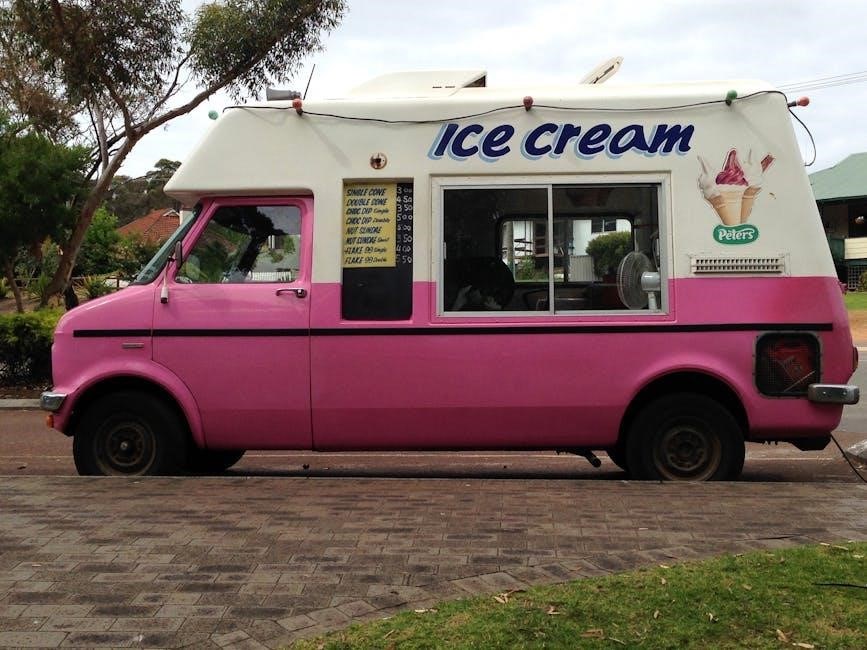
Creating a menu tailored to Illinois markets involves considering local tastes, seasonal preferences, and dietary trends. Weather and seasonal factors play a significant role in menu planning, as certain dishes may appeal more during specific times of the year. Incorporating locally sourced ingredients can enhance freshness and appeal to environmentally conscious consumers. Additionally, offering diverse options to cater to various dietary preferences, such as vegetarian or gluten-free choices, can broaden your customer base. Understanding regional flavors and popular Illinois specialties can also help in crafting a menu that resonates with locals. Strategic menu planning ensures your food truck stands out in a competitive market while meeting customer expectations.
Strategic Location and Event Planning
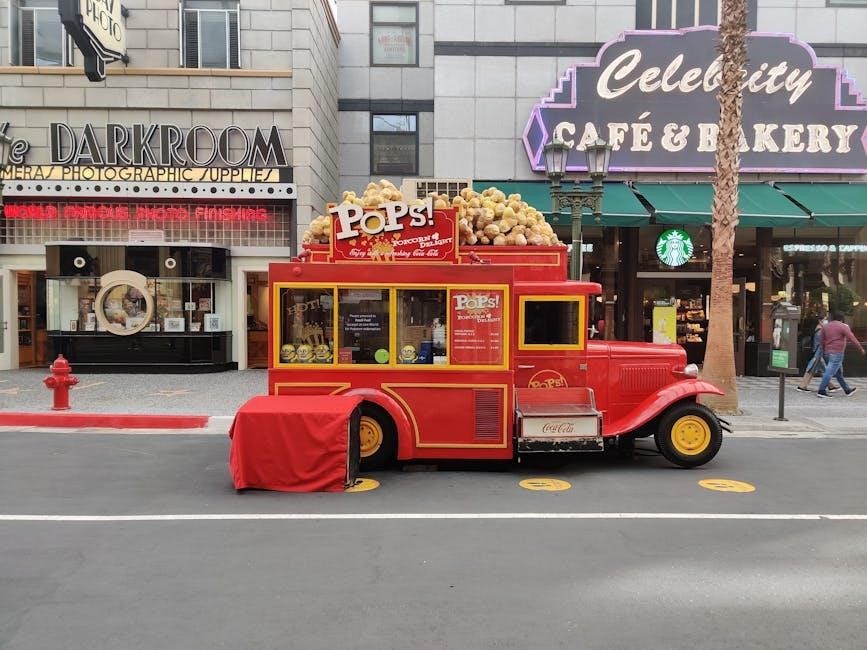
Identifying high-traffic locations and popular events is crucial for maximizing your food truck’s visibility and sales in Illinois. Researching local festivals, concerts, and sporting events can help you position your truck in areas with high demand. Cities like Chicago, with its bustling downtown and event-heavy calendar, offer prime opportunities. Additionally, consider targeting areas with limited dining options, such as office districts or construction zones. Seasonal events, like farmers’ markets or state fairs, also provide ideal platforms to showcase your menu. Ensure you obtain necessary permits for each location and stay informed about local ordinances to avoid operational disruptions. Strategic planning ensures your food truck is in the right place at the right time to attract a loyal customer base.
Costs and Budgeting
Starting a food truck in Illinois involves initial investments in the vehicle, equipment, and permits. Ongoing expenses include fuel, maintenance, and insurance, requiring careful financial planning.
Initial Startup Costs
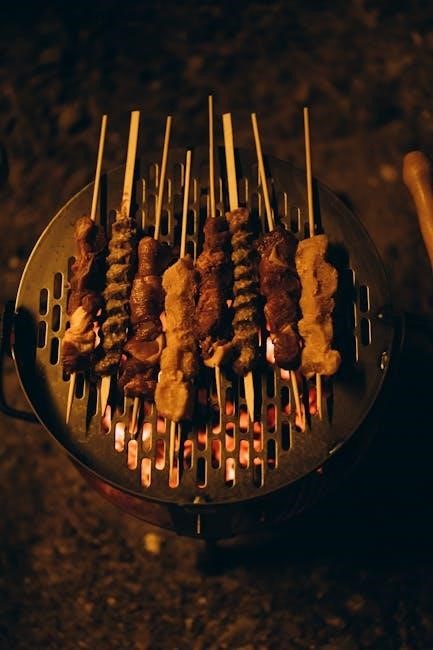
Starting a food truck in Illinois requires significant upfront investments. The cost of a food truck can range from $50,000 to $150,000, depending on size and equipment. Additional expenses include licenses, such as the Mobile Food Dispenser (MFD) or Mobile Food Preparer (MFP) permits, which cost between $500 to $1,000 annually. Kitchen equipment, including appliances and point-of-sale systems, can add $10,000 to $20,000. Insurance premiums, covering liability and equipment, typically range from $2,000 to $4,000 per year. Miscellaneous costs, such as branding, legal fees, and initial inventory, can total $5,000 to $10,000. Overall, initial startup costs for a food truck in Illinois can range from $67,500 to $184,000, depending on the scale of the operation.
Ongoing Operational Expenses
Operating a food truck in Illinois involves several recurring expenses. Fuel costs fluctuate but typically range from $500 to $1,000 monthly, depending on usage. Maintenance and repairs for the truck and equipment can add $300 to $600 per month. Insurance premiums, including liability and equipment coverage, generally cost between $200 to $400 monthly. Permits and licenses, such as the MFD or MFP, require annual renewals, costing $500 to $1,000. Supplies, including food ingredients and disposable items, can range from $1,000 to $2,000 monthly. Marketing and event fees also contribute to ongoing expenses, averaging $500 to $1,000 per month. Overall, monthly operational costs for a food truck in Illinois can range from $2,500 to $5,600, depending on the business size and activity level;

Starting a food truck in Illinois requires careful planning and compliance with regulations. Understanding permits, licenses, and health standards ensures a successful and sustainable mobile food business venture.
Final Thoughts on Starting a Food Truck in Illinois
Starting a food truck in Illinois is a rewarding venture, but it demands thorough preparation and compliance with regulations. By understanding the necessary licenses, permits, and health standards, entrepreneurs can navigate the complexities of the industry. Developing a strategic menu and securing prime locations are crucial for attracting customers. Additionally, staying informed about local ordinances and investing in proper insurance ensures long-term success. With careful planning and adherence to Illinois’s food truck requirements, aspiring business owners can effectively launch and grow their mobile food ventures in this thriving market.